
As we prepare to celebrate Earth Week, National Parks Week and Earth Day, let’s not forget those original voices who have been speaking up to preserve the natural world for centuries. In fact, one of the things we most often overlook these days as we enjoy, experience and celebrate our National Parks, National Forests, State Parks and more, its that most of these places had a very rich history tied to human experience way before the white settlers started exploring the vast wilderness of what is now the United States of America.
Having a deep, emotional connection tied to experiences out of doors is not new, and it is something that will go out of style. Therefore, it is our job, as mindful explorers to recognize history where it is due, including the history of those native populations that, were more often than not, driven out of these beautiful spaces in order to place the control of the land into the hands of the government. In fact, many of these indigenous populations were actually pushed out of what now make up our national parks and public lands so the white travelers could enjoy the scenery, without interference.
So, without further rambling, here is my list of some of the coolest and most mind-blowing natural spaces in the United States that have strong ties to indigenous history and culture. My hope is that when you visit your next adventure spaces, you take some time to consider those who where here before you, as well as honoring and respecting that we are truly outsiders in these remarkable landscapes. (Also, in an over-abundant act of respect, it is also important not only to history and cultures, but also to the natural landscapes that you treat these spaces with respect. Respect and follow trail markings, pack in what you pack out, clean up litter when you see it, and leave the wildlife be!)
- Everglades National Park
A little recognized connection without substantial research, Everglades National Park, in southern Florida, became an ancestral home to the Seminole Tribe and many smaller related tribes of Native Americans during the 18th and 19th century. During the onslaught of the Trail of Tears, the Seminole Wars of the 1800’s and other smaller forced migrations of Native peoples by the U.S. Government, members of the Seminole Tribe and Miccosukee Tribe sought refuge in the Everglades in efforts to retain their ancestral roots in then region. They built new communities along the wetlands and on the tree islands and established their new home, mostly out of reach from the grasp of the colonizing government. These tribes would never signed a peace treaty with the U.S. government. In 1961, the Federal Government recognized the Miccosukee people, as separate from the Seminole identity, and agreed to give them control over just 189,000 acres within the 1.5 million acres of land managed by the government in the public lands. Upon visiting Everglades National Park, you will come across Tribal lands such as, the Miccosukee Indian Village within Evergaldes National Park, and the Miccosukee and Big Cypress Reservations farther north, adjacent to Big Cypress National Preserve.

You can learn more about the Seminole and Miccosukee Peoples and their history in the south of Florida by visiting Florida Wildlife Conservation Website or from the Department of the Interior or the Seminole Tribe of Florida.

2. Bryce Canyon National Park
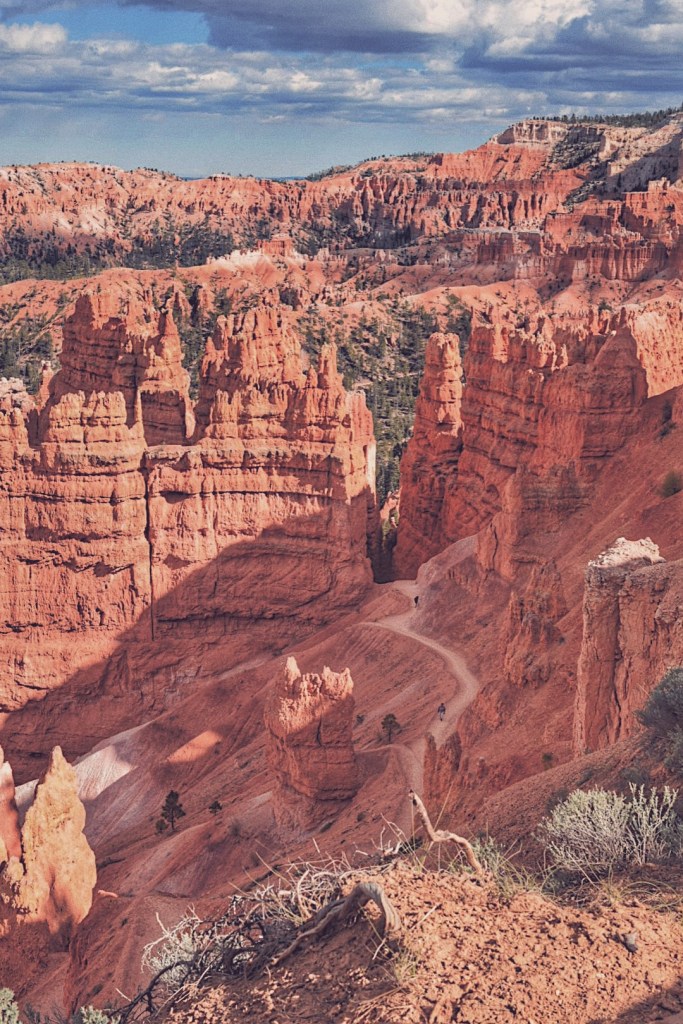
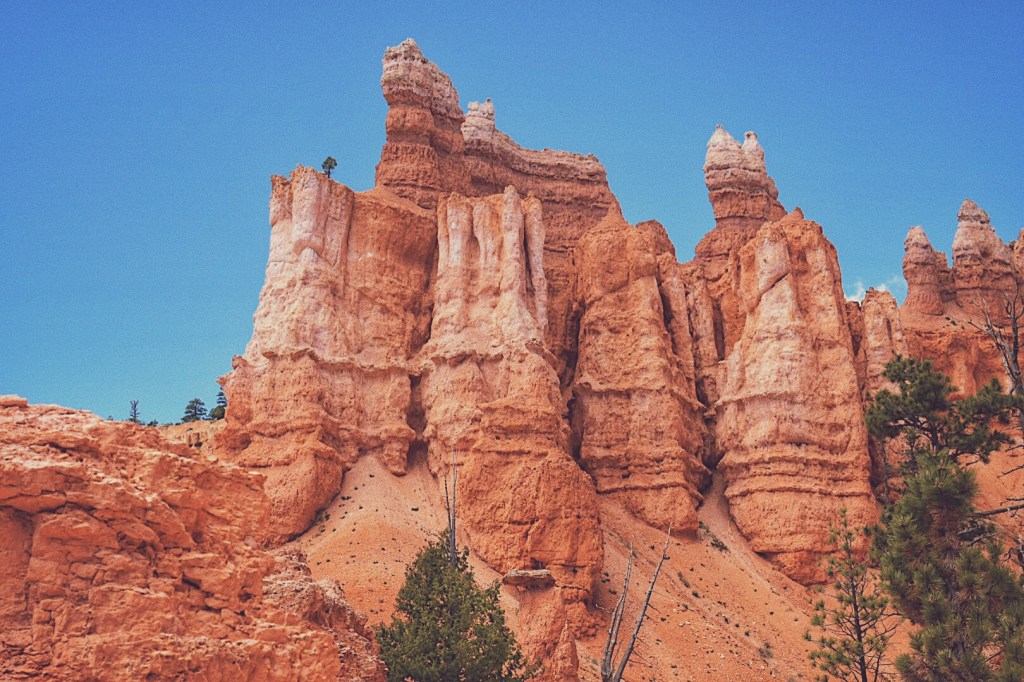
One of my personal favorites, Bryce Canyon is an amazing natural nook of the world, and it is rich with history of Native American Indian settlements, the earliest believed to have been over 10,000 years ago. However, the two tribes that have the riches roots to the plateau region are the Hopi Tribe and the Paiute Indians, who once called the area around Bryce Canyon home. For the Paiute people, Bryce Canyon is a place of remarkable importance for legends and culture. The Paiute people know the long, red spires of rock, Hoodoos, as the lifeless forms of To-when-an-ung-wa, (evil legend people), who were turned to stone by the great Coyote Spirit, an important spiritual and ancestral figure in Paiute legend. According to the legend, the beautiful rock landscape we see today at Bryce Canyon is really the Anka-ku-was-a-wits, or the “red painted faces” of those who were turned to stone by Coyote.
More concrete traces of the native people who forged history throughout the region around the Bryce Canyon Plateau and the other beautiful red rock formations in the region can be found northeast of the national park in Anasazi State Park in Boulder, Utah. (The Anasazi people lived in the region a few centuries before the Paiute and Hopi people.) Today, the legends associated with Bryce Canyon can be seen in the visitor center at the park, and throughout the reservations in the area, belonging to the Hopi, Navajo, Unitah and Ouray, Kaibab and many more.
More information can be found through: the National Parks Service, the Bryce Canyon Country website (which has a lot of good information about the region), and this awesome story about the cool legends surrounding the Hoodoos on NPR.
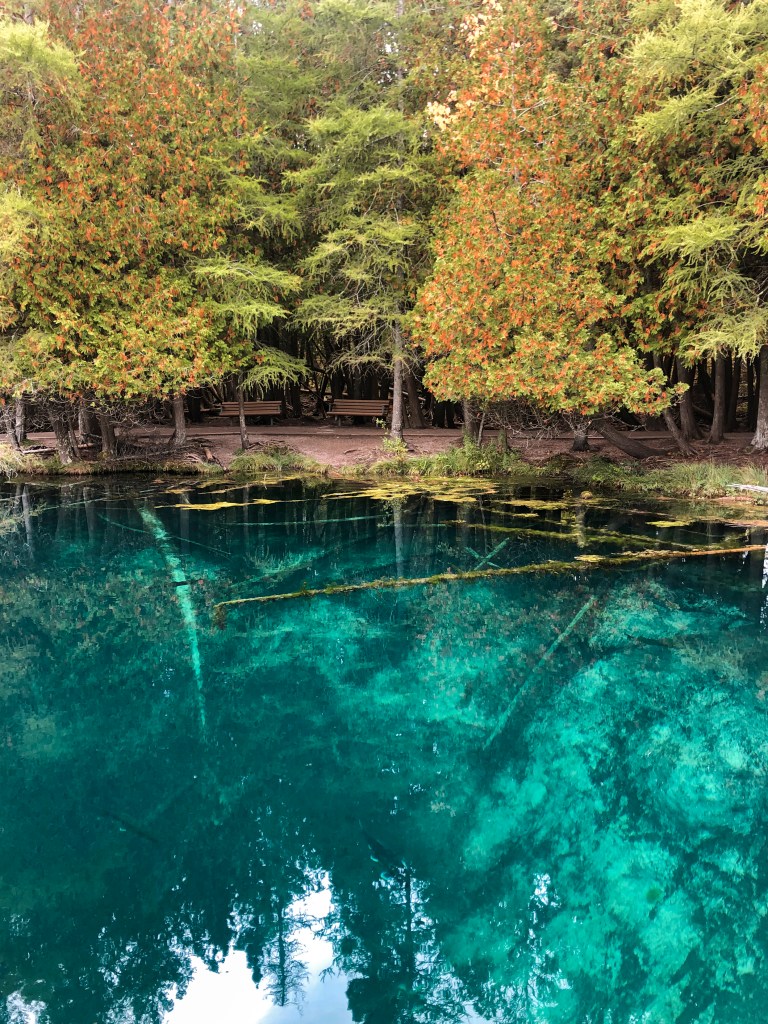
3. Kitch-iti-Kipi Spring
What some native tribes called, the “Mirror of Heaven,” Michigan’s largest natural spring is a sight for sore and strained eyes that have been on the long roads of Michigan’s Upper Peninsula for a little too long. But, what a lot of people miss on their visit to this remarkable blue spring is the rich indigenous history that is associated with it. According to Ojibwe legend, a young chieftain fell in love with a young woman, who asked him to prove his deep devotion to her by completing the dangerous task of taking his canoe out into the middle of the deceptively deep spring to catch her as she leaped from an overhanging bough. In his attempt, the canoe tipped and young chieftain tragically drowned in the freezing cold waters of the spring, all while the beautiful young woman was back at the village, laughing over his foolishness. Thus, Kitch-iti-Kipi was named, “the big spring,” in memory of the young chieftain who found his death in the icy waters. There are also legends stating that the Ojibwe/Chippewa people, when becoming new parents, would make a pilgrimage to the spring so the waters could whisper to them, the name of their new child.
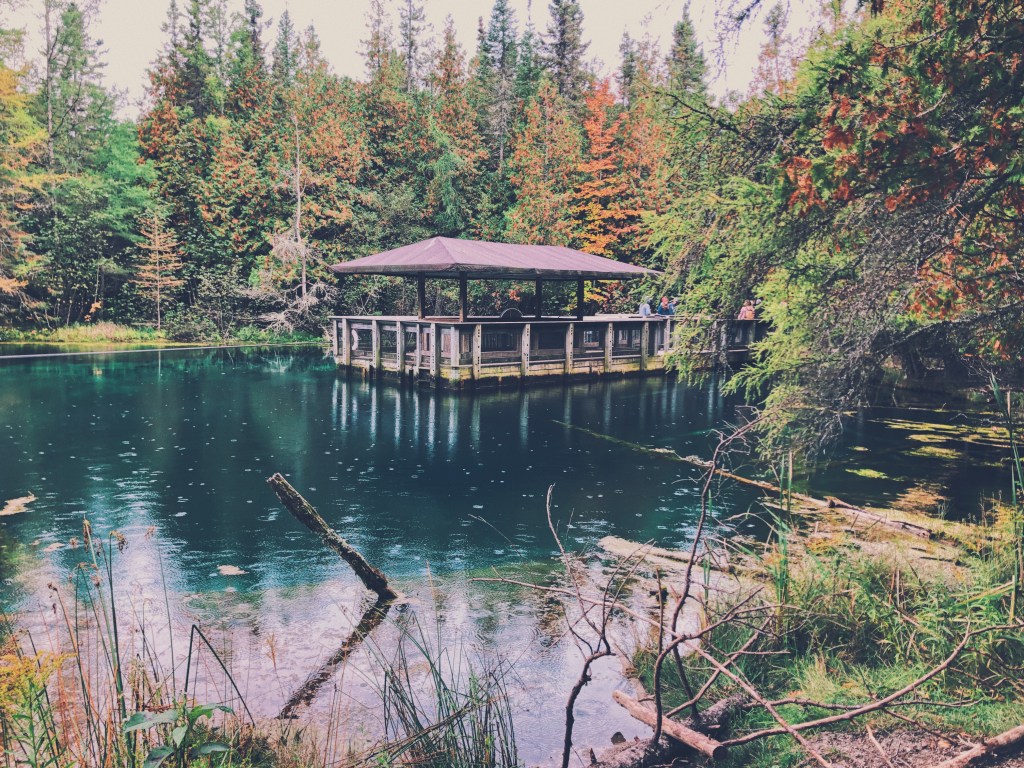
Today, Kitch-iti-kipi is a local landmark, which is now complete with a safe, hard to capsize raft that can take you out into the middle of the big spring, so you can watch the water bubble up from the vents some 40 feet down. While the creation of Palm Brooks State Park effectively put the spring in government hands, it actually was for much of the benefit of the land. Unfortunately, during the heavy logging periods of the late 19th and early 20th century, this beautiful spring had become a dumping ground, and was terribly polluted and piling up with debris. Today, only enough thick and mossy pieces of timber remain in the spring to give it some beautiful contrast, and the water is once again crystal clear, and now home to rehabilitated fresh-water fish.
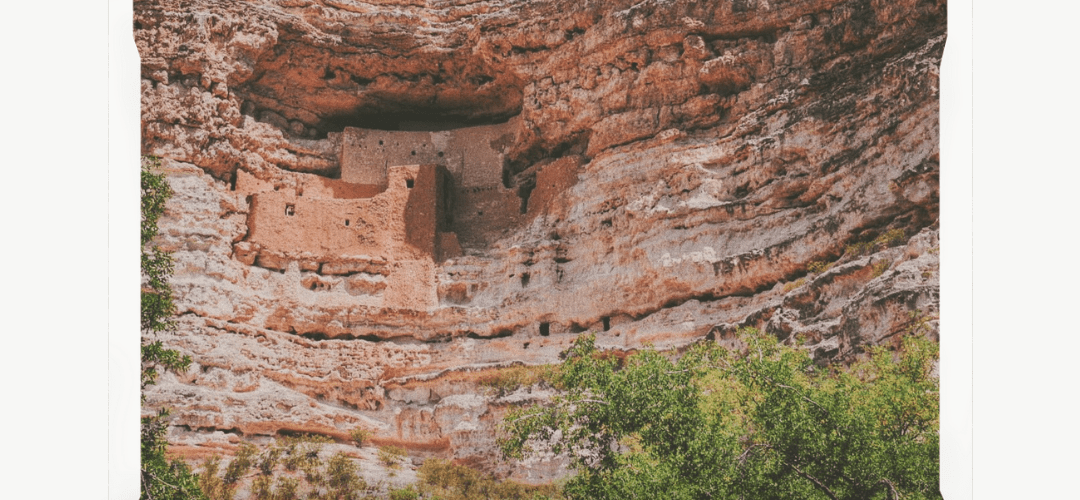
4. Montezuma’s Castle National Monument
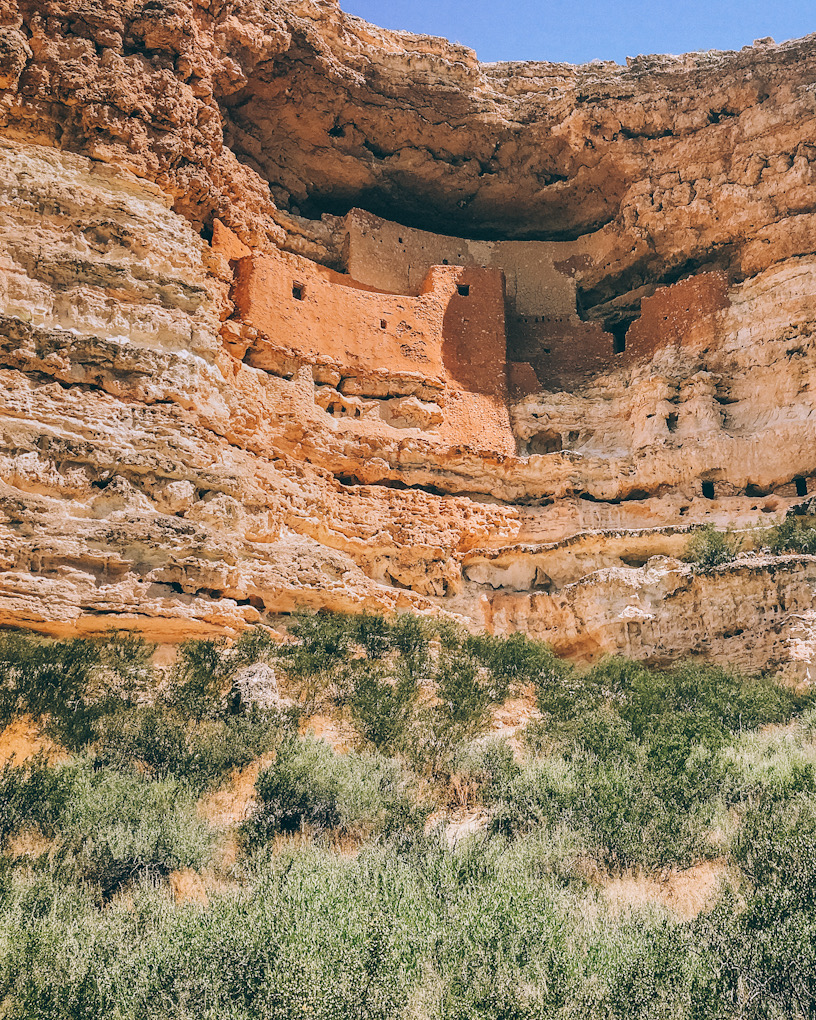
While the naming of this beautiful piece of public lands is way off, (scientific studies of this cliff-dwelling have proven that it was likely abandoned 40 years prior to the birth of the Aztec Emperor, Montezuma), that blip in the record does not diminish from the amazing place that your eyes gaze upon during a visit.
Some rangers at the park liken the cliff-dwelling to “a five-story apartment building set into the side of a cliff,” which is quite a feat for the pre-Columbian Sinagua Native Indian people to accomplish in what is estimated to be over 600 years ago. This incredible structure is believed to be where the Sinagua people took refuge during flood season. While visitors are no longer permitted to scale the cliffs and enter the dwellings, (it was deemed to be too destructive to the ruins in 1951), many of those on staff at the park, tasked with ensuring the ruins are preserved, will attest that the interior of the dwellings are in such good condition that objects have been routinely found, undisturbed inside of the structure, and as far as ruins go, the damage is very minimal.
Not only does this park give us a glimpse into the well-preserved living spaces of the Sinagua Indians, a perfectly secret and safe structure during dangerous seasons, it is also a look into the complex engineering and building capabilities of these ancient peoples. From up-close observation of the structure, archaeologists have determined that the Sinagua people used limestone bricks and limestone and mud mortar, along with timber beams, cut down with stone axes, then assembled and covered with thatches and mud to create their cliff-dwelling. Unfortunately, the less cautious of the curious, who throughout the 1800’s would scale the walls of the cliff and ran-sack the place, had left many pieces of the dwelling in danger of crumpling, so there is a very strict routine of restoration that is followed to keep the place remaining, peaceful and beautiful along the cliffside.
More information can be found via the National Parks Foundation, the History Channel and the National Geographic Society

5. The Adirondack Mountains
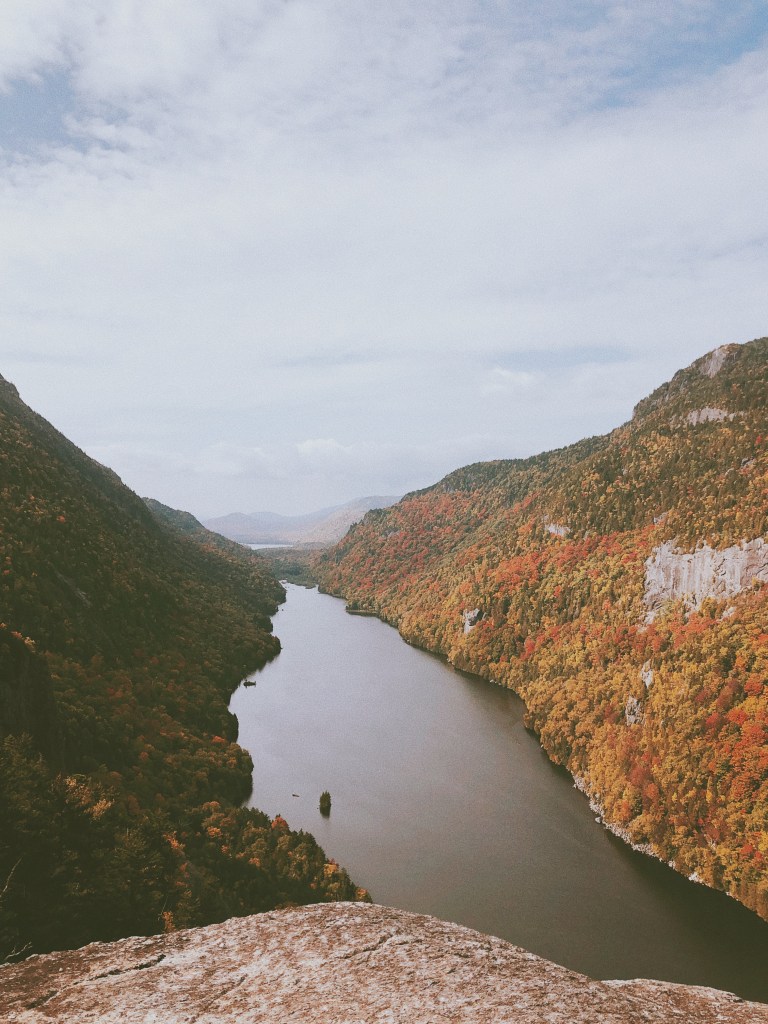
While there is no evidence suggesting that tribes had been living directly along the peaks of the Adirondacks, there is sufficient evidence that the Adirondacks were a part of the Six Iroquois Nations Confederacy, and that there were many settlements in lower-lying areas through the region, including along some of todays more famous spots like Sarnac lake and Lake Champlain.
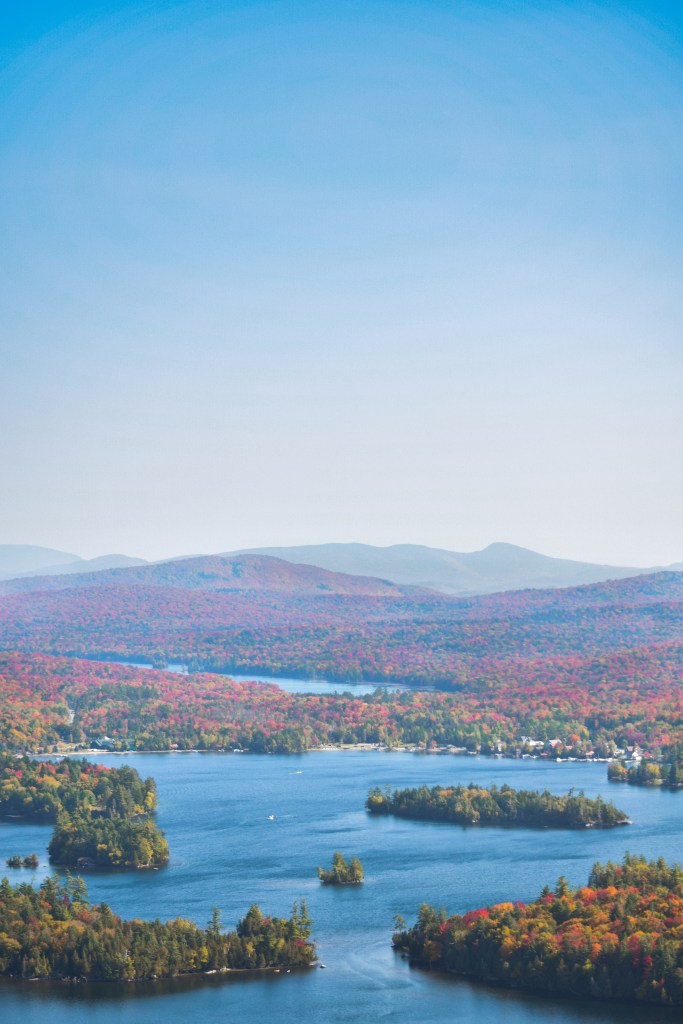
While there is a rich and long history of native settlements all over the region, in and around the Adirondack mountains, the Iroquois Confederacy is recognized as one of the most significant pieces of Native culture and history in the area. Most historians agree that the founders of the Iroquois Confederacy are recognized as Deganawidah, a Huron prophet, and Hiawatha, a Mohawk or Onondaga Iroquois. These leaders would go on to establish and encourage a Great Council of Fifty-one sachems (chiefs). Unanimous agreement by the Council was required to pass any resolutions.
The Iroquois nations in the area most likely had semi-permanent, well-established settlements in the Adirondack area, from which they hunted, gathered and traded with neighboring Iroquois tribes and others who passed through. From oral history, the Mohawk people were known to be the more aggressive group in the Confederacy, as they often waged war on tribes occupying neighboring territory, in efforts to expand their own. At some point in the 16th and 17th centuries, it is said that the Mohawk people were in control of a significant portion of what is now Upper New York State, Pennsylvania and Massachusetts. Unfortunately, the arrival of the Europeans in the North Eastern United States had a devastating impact on the Mohawk tribes, reducing their population by an estimated two-thirds.
The alliance between some contesting tribes and Europeans later on also became a point of contention within the Iroquois tribes settlements in the region, and would be a catalyst to later conflict. With strong distrust of the Native people from the Europeans, many of the Mohawk people would end up moving into Canada after the American Victory in the Revolutionary War.
You can read more about the complex Native peoples history within the Northeastern United States through the National Parks Service, Academic Journals and this Article from the University of Richmond.
We would not have the same value in these beautiful public lands if we did not have the indigenous history that comes from the incredible lives lived by the Native Indian people across this land. So, as you celebrate National Park Week, Earth Week, next time you are visiting, or thinking about visiting, a national park, or another prolific piece of public land, take a few moments to remind yourself that we are really visitors on land that has been valuable to people way before the National Park Service and the Department of the Interior were created.
Also, do what you can in your own power to make outdoor experiences inclusive to BIPOC cultures, and remember and advocate for the recognition of their histories as you enjoy wide-open vistas, fresh air and getting some dirt on the soles of your shoes. This land truly would not be what it is for all of us today, without the inclusion of ALL cultures and history that came before us. It is for us to preserve and protect, together.
 Emily's Wide World
Your photos are superb,; especially, the one of Kitch-iti-kipi Spring.
LikeLiked by 1 person
Thank you so much, I really appreciate it:)
My photos definitely have not done those locations justice though!
LikeLiked by 1 person